Honoring Our Veterans
This page is dedicated to honoring the Veterans in our community for their service and telling their stories.
What Tom Brokaw referred to as "The Greatest Generation" is quickly declining in number. This, of course, refers to not only our World War II Veterans but also to the families that supported those veterans in the war effort. These are some of the veteran's personal stories pertaining to their own war efforts. It's the club's hope that should you be so inclined, you will reach out individually to these veterans and get to know them a little better.
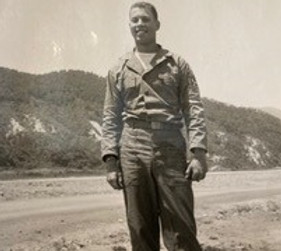
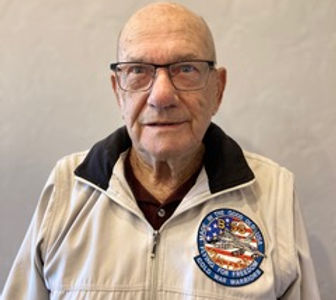
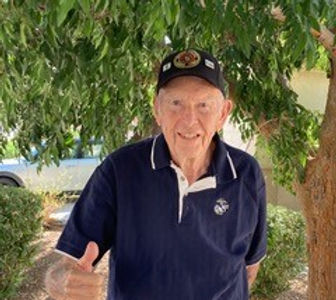
We will start with the World War II Veterans as we do not want to lose their stories. The goal is then to get stories from all Sunflower Veterans. Click on the veterans name below their picture to read that veteran's story.

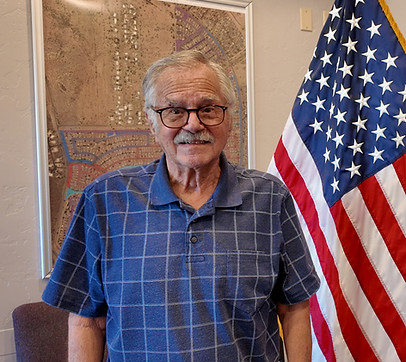
Terry Johnson — A Life Shaped by Service
At age 17.5, Terry and a friend decided to join the United States Marine Corps under the Buddy System. Unfortunately, his friend did not pass the required medical examination, so Terry decided to join the United States Army instead. Terry completed his Basic Training and Advanced Individual Training (AIT) at Fort Ord, California. His ability with a rifle quickly became apparent. He was selected for additional rifle training and spent time shooting on the 600-yard range. The Army saw potential sniper material in him. However, because of his smaller build, that career path did not work out. Instead, Terry was sent to Fort Sam Houston, Texas, where he trained as a medical specialist. Following his medical training, Terry was assigned to Fort Leonard Wood, Missouri, where he worked in the hospital. He later transferred to Fort Carson, Colorado, where he drove an ambulance. Terry's military service eventually took him overseas to Germany, where he was stationed in Munchwieler. He worked in the hospital ward, pharmacy, and as an ambulance driver. One of his more memorable assignments was working in the OBGYN ward. Later, he became a driver and eventually had the distinction of driving for the base commander. Terry says his greatest memories of the Army are the discipline and responsibility he learned. He believes those lessons played an important role in his personal growth and success throughout his 38-year career at Douglas Aircraft, McDonnel Douglas Co, Boeing Aircraft after his service. Terry was also fortunate to meet his wife, Dolores, with whom he continues to share his life today.
Meet The Veterans


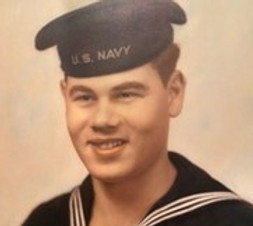

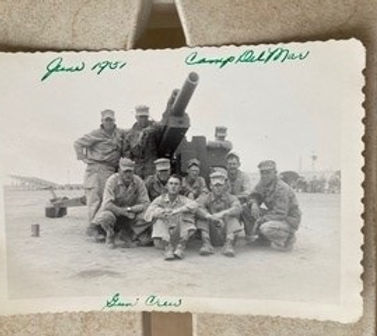

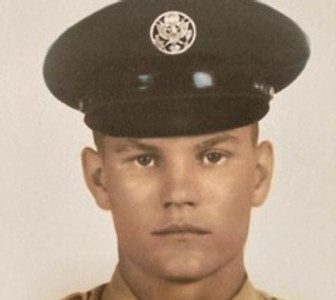
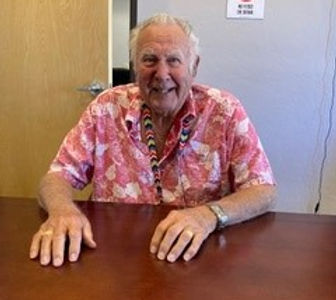














United States Navy